What direct claims handling is and why it saves you time
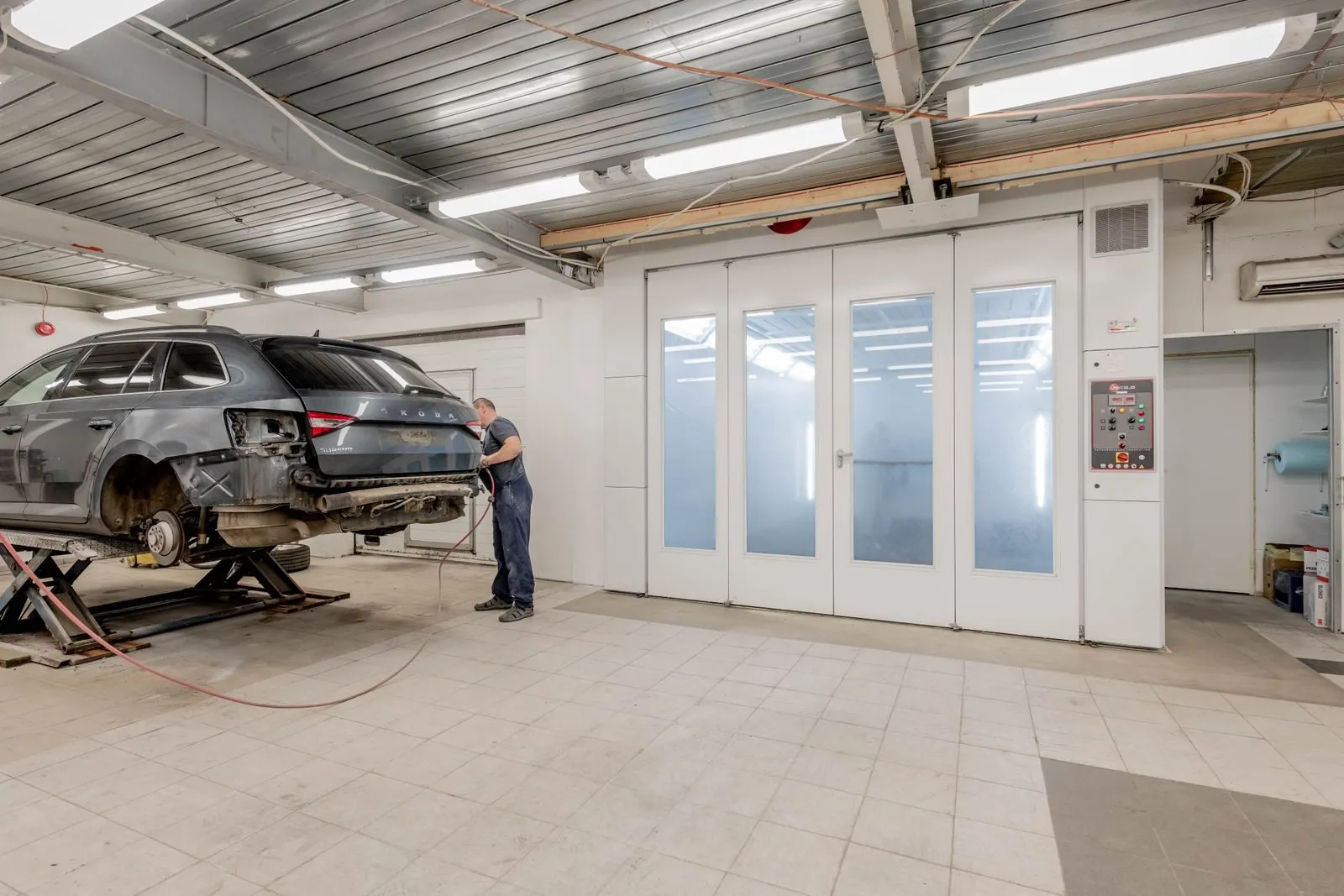
Direct claims handling (otsekäsitlus) means you do not have to take your car to the insurer’s claims department. You come straight to our workshop; we document the damage, prepare the estimate and deal with the insurer until the repair authorization letter (garantiikiri) is issued. Your role is to bring the car and sign the claim form – the rest is our job.
We work with every insurance company operating in Estonia: If, ERGO (including the former Gjensidige), PZU, Swedbank, Seesam (including the former Compensa), Salva, BTA, Inges and LHV. If your policy was arranged through the broker IIZI, you can submit the claim notice directly in our Kahjuabi portal.
You have the right to choose the repair shop
The code of good practice on choosing a repair company issued by the Estonian Motor Insurance Bureau (LKF) is clear: the injured party has the right to choose a car repair shop of their liking. The insurer may recommend its partners but cannot oblige you to use them. If you choose us, we are responsible for the quality of the repair – and we give a 1-year warranty.
We follow the vehicle insurance code of good practice and the LKF paint quality standards. Estimates are prepared in the CABAS system used by all Estonian insurers – so approval is fast and transparent.
What to bring when you come to us
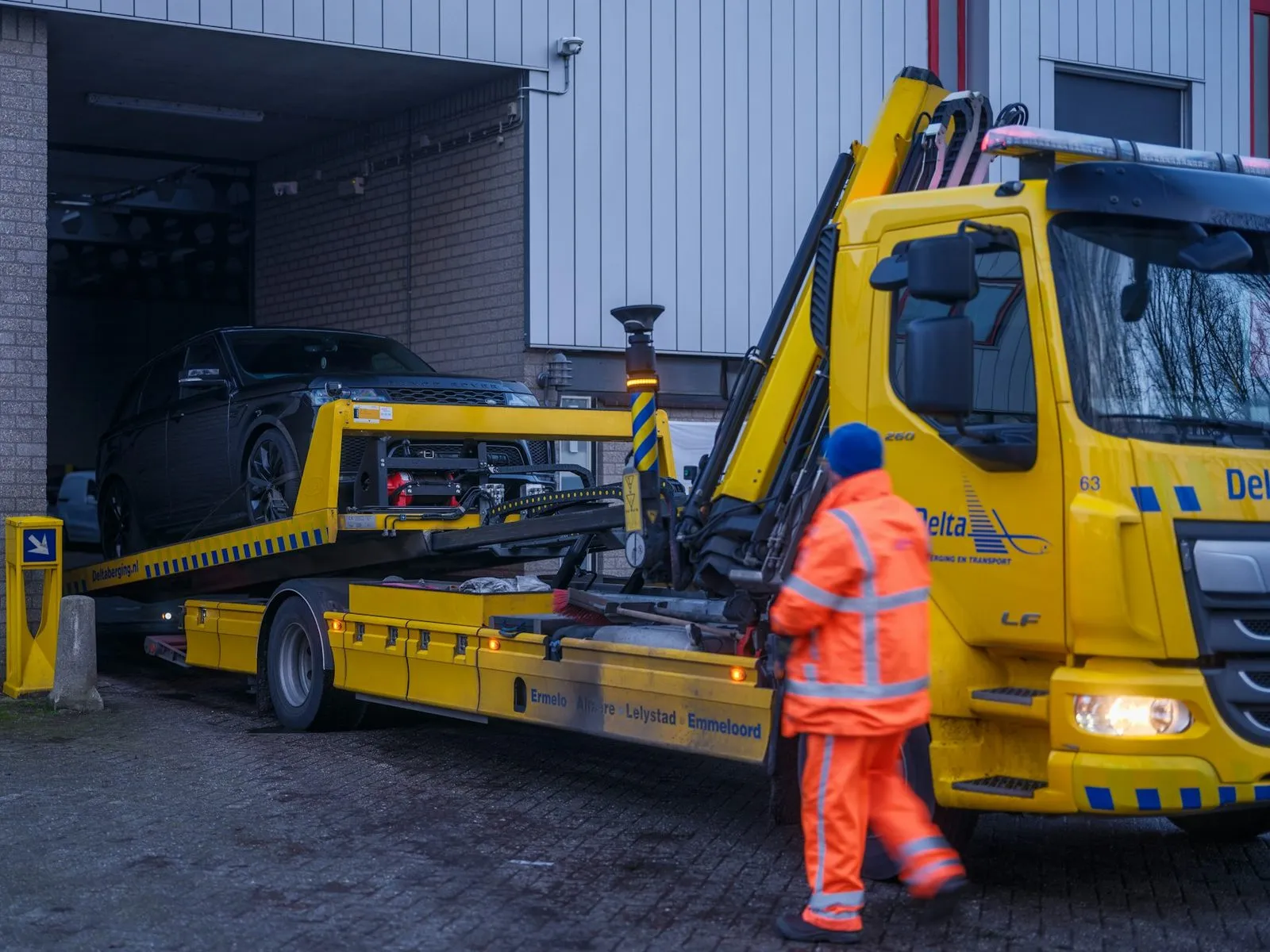
- The car, if it is safe to drive (otherwise we send a tow truck)
- Vehicle registration certificate
- Driving licence
- The accident report form (teade liiklusõnnetusest), if it has been filled in
- Any other documents relating to the incident (police certificate, letters from the insurer)
Kasko or motor liability – what is the difference in the claims process?
For a motor third-party liability (compulsory) claim, the claim is made against the at-fault party’s insurer and the injured party pays no deductible. For a comprehensive (kasko) claim, the claim notice goes to your own insurer and your policy deductible (omavastutus) is subtracted from the repair invoice. For minor damage (e.g. a car park dent), it is worth working out before reporting whether repairing without insurance – for example with paintless dent removal – comes out cheaper than the deductible. We help you make that decision.